Christian books about heaven and how to read them thoughtfully
Explore Christian books about heaven and use Scripture questions to distinguish the biblical text from a writer’s reflections.
Begin with a text before comparing viewpoints
Read John 14:1–6 and Revelation 21:1–5. Note the different settings. In one passage Jesus speaks to his disciples, while the other describes a vision. Ask what the passage says about God's presence and what questions it leaves open. In our Christian books to read guide, you can find books that explore questions of Christian hope.
Ask what each writer is doing
A book may explain a passage, explore an idea or reflect on a personal experience. Keep a notebook with two columns for the text and for the author's reflection. Try to name one thing that made you think and one question you want to investigate. A shorter edition can be a good starting point if you plan to discuss the same book in a few meetings.
Read with care in a group
Some readers will be thinking about a recent loss, while others may be curious about Christian teaching. Invite everyone to decide how much they want to share. Allow the discussion to include questions that cannot be resolved in one meeting. End by returning to one sentence from Scripture, and give people time to sit with it before closing in prayer.
Compare the full and shortened editions
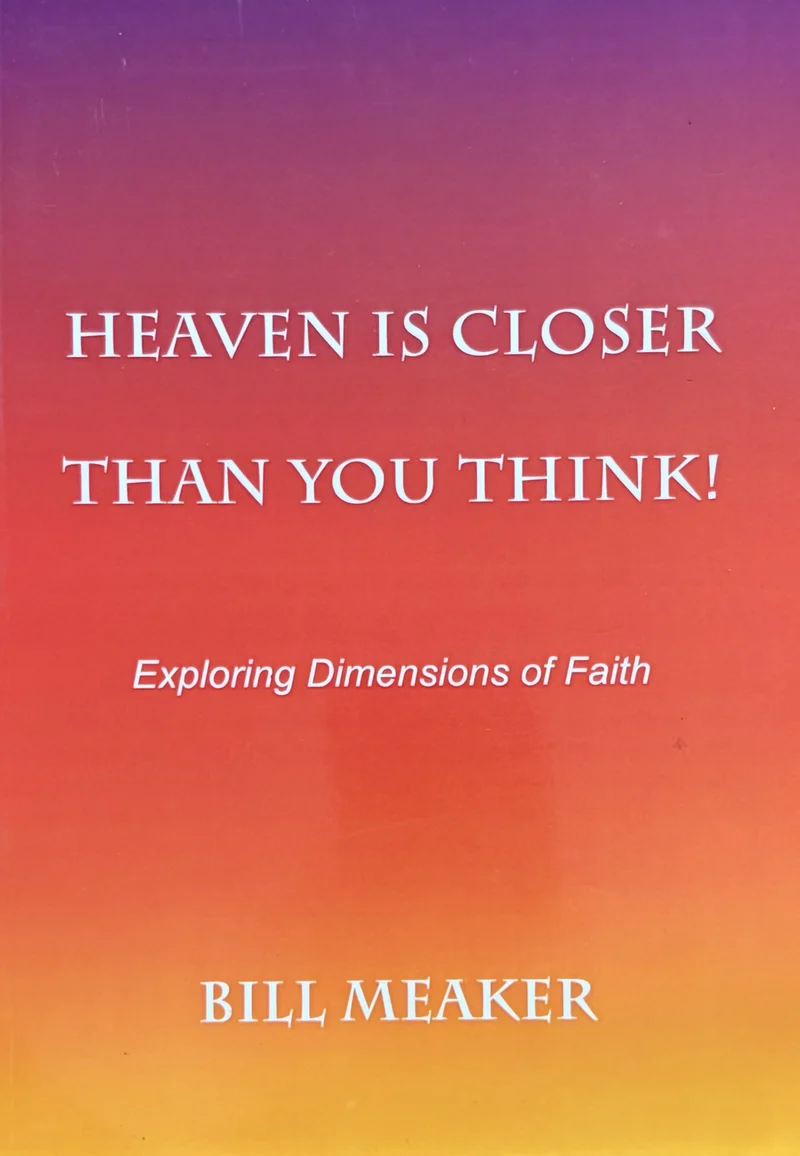
If you want to follow one writer’s account at your own pace, start by comparing Heaven Is Closer Than You Think and its shortened edition. For a group, the shorter edition may suit a meeting where you want more time for conversation. If you want to follow the author’s argument in more detail, choose the full edition and agree on a manageable section for each meeting. Confirm which edition everyone is reading before giving page numbers.
Pick a question to take into the book. You might want to understand what the author means by hope or how the author uses a particular Gospel passage. Write down one claim and look at the verses the writer connects with it. Note where the book gives an interpretation you want to discuss. You do not need to adopt a writer’s conclusion to learn from the question they asked.
For a second discussion, give each person time to look up one reference that the author cites. Have them read the sentences before and after it, then describe what the passage contributes. Collect questions about the difference between the writer’s language and the language of Scripture.
Keep the two Scripture readings distinct
In John 14, notice Thomas’s question and the way Jesus answers it. In Revelation 21, list what the vision says is changed and what is promised about God’s presence. Try reading each passage in context before comparing them. If a discussion jumps straight to what heaven might look like, return to the words each passage actually gives you. Our book-by-book Bible study guide has a simple method for tracing how an idea is developed across chapters.
Make room for hope and for grief
If someone brings a recent loss into the conversation, ask whether they would like to talk about it or simply have the group listen. Avoid making the meeting a debate about someone’s experience. Leave a little quiet before moving to the next question. A reader who wants to continue privately might write one thought in a prayer journal. Close by asking which words from the readings the group wants to remember, and make space for anyone who would rather pass.