How much communion wine does a service need?
Estimate communion wine for a church service using your actual serving size, attendance, number of services and spare supply.
Start with the way your church serves
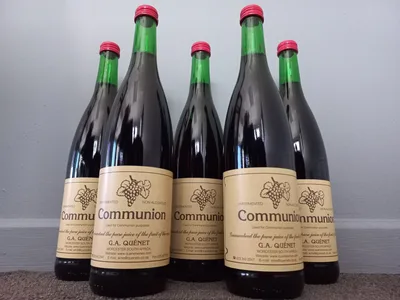
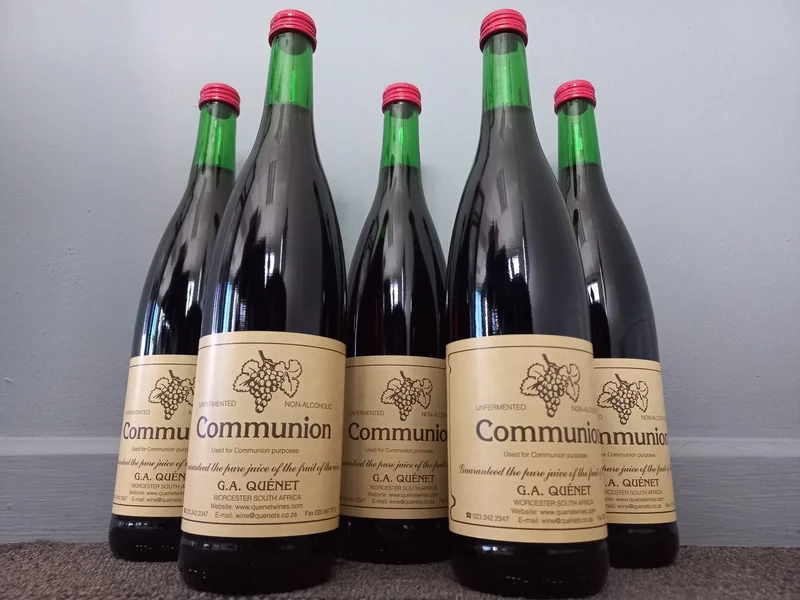
Ask the person who prepares Communion how the wine is served. If your congregation uses individual cups, measure one cup filled to the level you normally use. For a shared cup or another method, ask the preparation team how they estimate volume for a typical service. Our communion wine guide links to the current bottle and wafer options.
Multiply your own figures
For example, if your actual serving is 7 ml and you expect 100 servings, plan for 700 ml before adding a reserve. If there are two services with different attendance, calculate each service separately and add the two figures. Then allow a buffer for visitors, spills and anyone your congregation expects to serve later. Check the product page for the actual bottle size and round up to a whole number of bottles.
Keep the estimate for next time
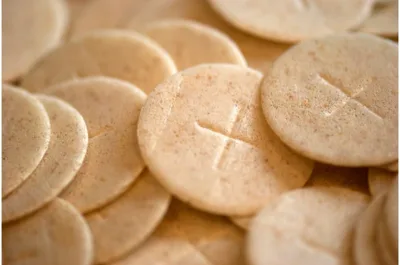
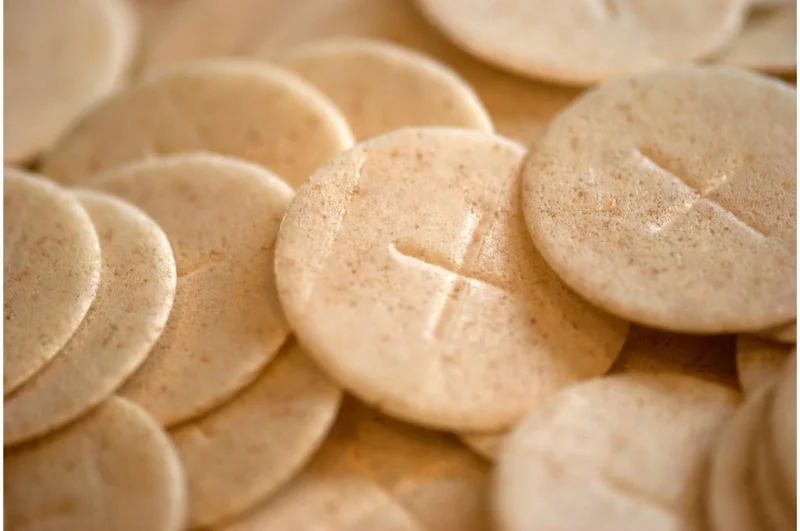
Write down how much you prepared, what was used and what was left. A few weeks of notes can be more useful than a single attendance estimate, particularly around Easter or Christmas. Count the wafers separately and give the person placing the order both quantities. For several services, confirm who will receive the delivery and where it should be stored according to the product instructions.
Work through an example for two services
Suppose you expect 75 servings at the first service and 120 at the second, and your team has measured 7 ml for each serving. The first requires 525 ml and the second 840 ml, for 1,365 ml before a reserve. If your team chooses to prepare for another 15 servings, that adds 105 ml and brings the estimate to 1,470 ml. These are sample figures. Use the cup, serving method and attendance estimates for your own church.
Check the volume on the non-alcoholic communion wine product page before converting the total to bottles. For example, a 1,470 ml estimate would fit in two 750 ml bottles; the 750 ml figure is only an example, not a statement about the current listing. If there is usable stock left from a previous order, have the person responsible check it and subtract only what they can use in accordance with the label and the church’s practice.
When writing the estimate for someone else, label each number with its unit. Keep the volume in millilitres until the last step, when you convert it to bottles. This makes it easier for a second person to check the calculation.
Check the count against what volunteers need
Share the estimate separately for each service so volunteers know how much to have ready at each time. Ask whether the number includes people serving, the music team and anyone served separately. Confirm where the spare supply is kept. Count communion wafers independently: it is easy to check a bottle count and forget whether the wafers cover every service.
A holiday can change both attendance and delivery schedules. Mark which figures are estimates, which come from previous services and which still need confirmation. Use the wafer and wine ordering checklist to coordinate a delivery date with the person who can receive the parcel.
Record what you used after the service
A short note can include servings prepared, the amount used, the reserve opened and anything unusual about attendance. Keep notes from similar services together. For a larger order across several churches, contact AURM about church orders with your quantities and intended service dates so there is time to confirm the details.