How to choose Bible study books for beginners
Learn what to look for in a beginner’s Bible study guide and try a simple way to read a short Gospel passage.
Look for a guide that starts with the passage
A beginner’s guide should tell you which passage to read and give you room for your own observations. Look for short sections, clear questions and space to write. A glossary can help, especially if you are meeting with people who use different translations. Browse Bible study books for personal guides and books designed for a group.
Try three questions with one scene
Read Luke 10:25–37 from beginning to end. Ask who speaks first, what question starts the story and how Jesus changes the focus at the end. Then ask where a character surprised you. Keep your answers tied to the passage. Write down anything you cannot answer and return to it after discussing the reading with someone else.
Choose one next step
Start with one meeting or a few short reading sessions before committing to a long programme. If you are leading others, ask whether they want to read ahead or read together in the room. Offer the passage reference in advance, and leave time for questions. A good first session gives a reader enough confidence to open the Bible again and know where to begin.
Choose the kind of support you want
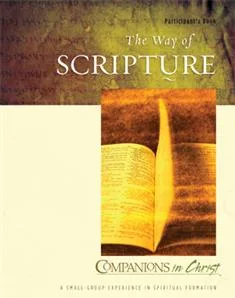
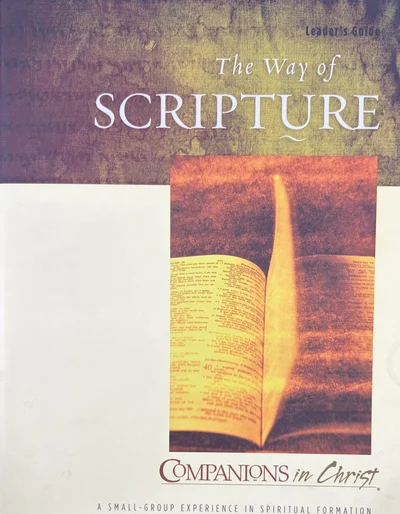
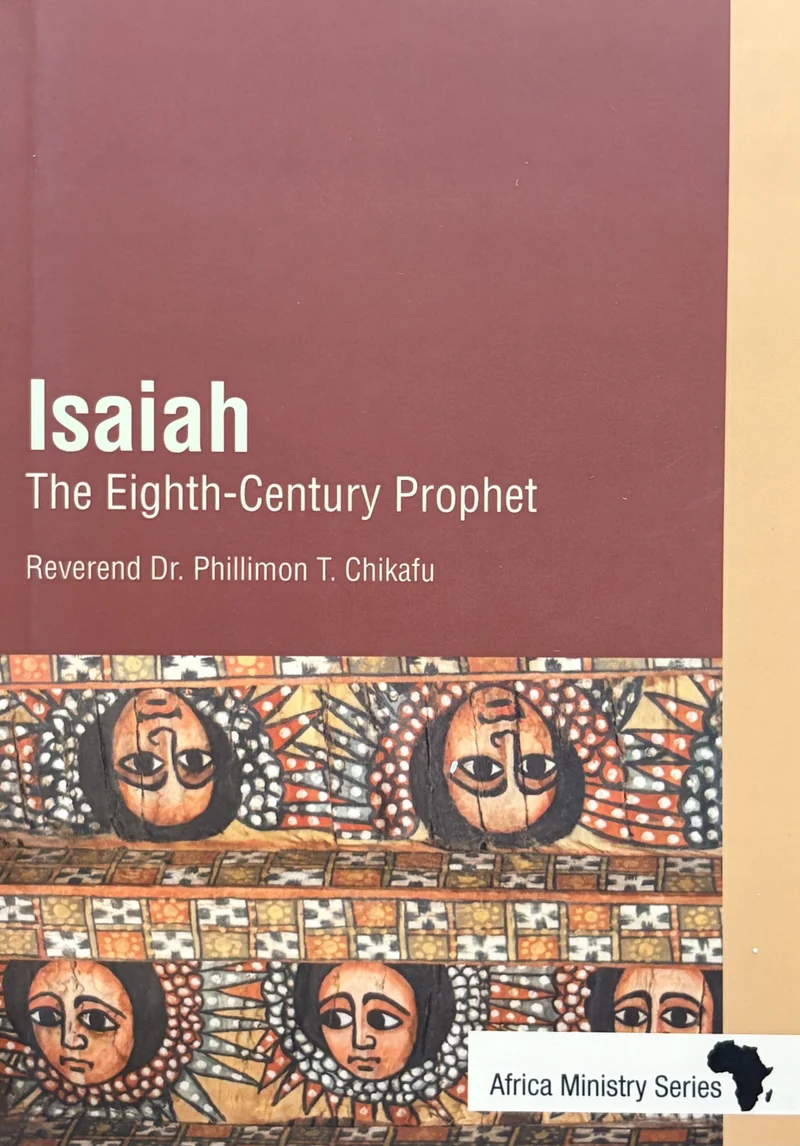
A study Bible gives you notes close to the passage. A workbook makes space for exercises and gives you something to bring to a discussion. A group series may use a leader’s guide as well as a participant’s book. Before ordering, check the title and edition so everyone knows which pages to read. The Way of Scripture Participant’s Book is an example of a resource you can compare with the leader’s version.
Try one sample question before choosing. “Who asks the question in verse 25?” gives a new reader a way into the passage. “What did you learn from this?” may work later, once the reader knows who is speaking and what happened. For a group with mixed experience, a guide that starts with the text gives everyone the same place to begin. If you are choosing books for other people, see our small group Bible study guide before buying copies.
When comparing two guides, try opening them to the same sort of lesson: one about a story, for instance. Choose the book that helps you see details you could have missed and gives you a question you can investigate by reading again.
Turn the three questions into a short practice
Draw three boxes on a sheet of paper: “What I see,” “What I wonder,” and “What I will revisit.” For Luke 10, you might note that the traveller’s condition is described before the passers-by appear. Write down what you wonder about their actions. Then choose one detail to check next time. Keep interpretations and observations in different boxes so you can see when you are making an assumption.
Give yourself permission to leave one question open. A note about the historical setting might help; a second translation might make a sentence clearer. If you are reading with someone else, compare which detail each of you wrote down before reaching for a commentary. Two readers may find different clues in the same story.
Plan your next two readings
Read a short scene from the same Gospel the following week and try the same method. By the third session you may be ready to follow a whole chapter. Our book-by-book Bible study method explains how to do that, and books for new Christians suggests approachable resources for questions that come up along the way.