Small group Bible study books and how to use them
Choose a Bible study for your small group and use a simple session plan that gives everyone time to read, discuss and respond.
Match the book to the people in the room
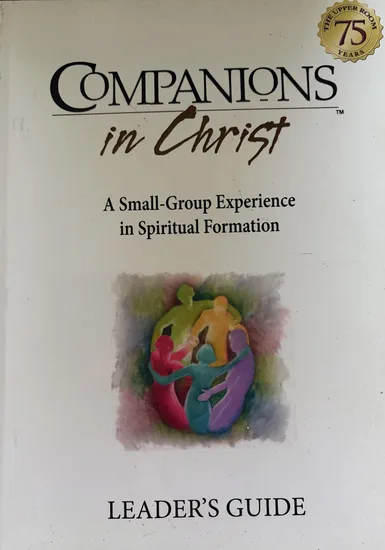
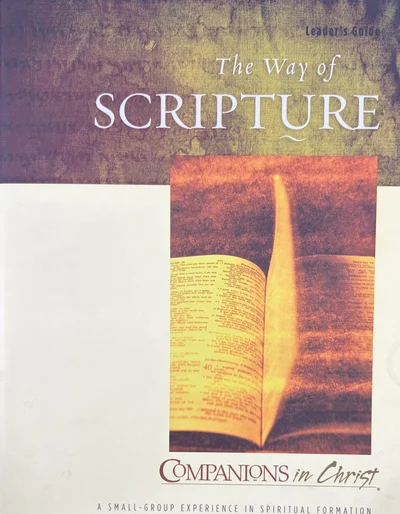
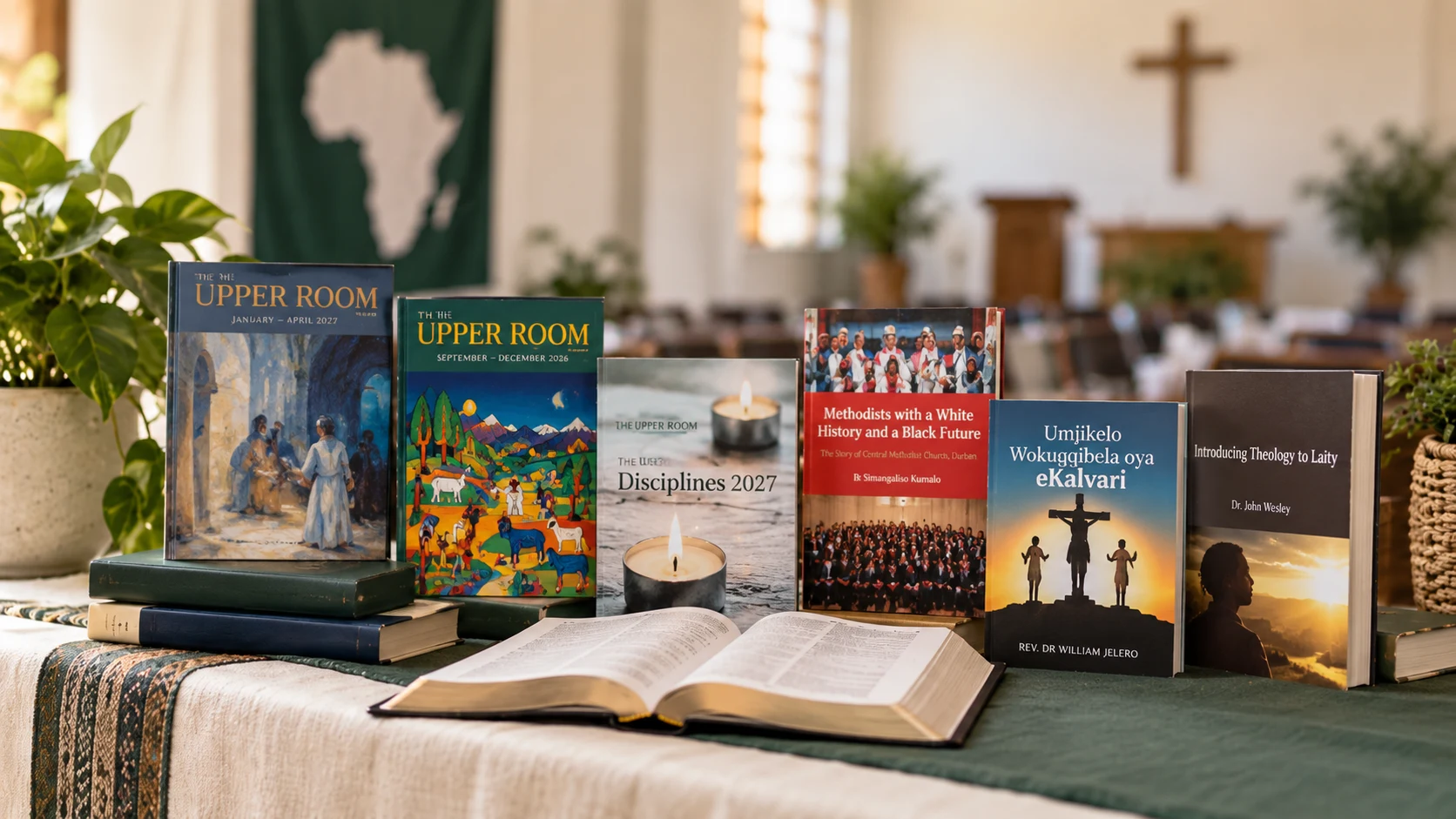
Ask group members what they want to practise. Some groups want to understand a passage together, while others need time for prayer or a shared discipline. Check the length of each session and the reading expected between meetings. Our Bible study books guide explains the difference between a participant’s book and a leader’s guide.
Set a simple plan for the first meeting
Start with five minutes to welcome everyone. Read the passage aloud, take a minute of silence and invite observations before asking for interpretations. Keep one main discussion question and one follow-up in reserve. If the conversation runs long, move to a closing question about how the group will carry the reading into the week. That gives the meeting a natural end.
Help people catch up and speak at their own pace
Keep a short note with the next passage and meeting date. If someone missed the previous week, send the passage and question without asking them to complete all the missed work. During meetings, let people pass when they prefer to listen. Revisit the format after two sessions and ask the group which question helped them talk most openly.
Check what comes with the study
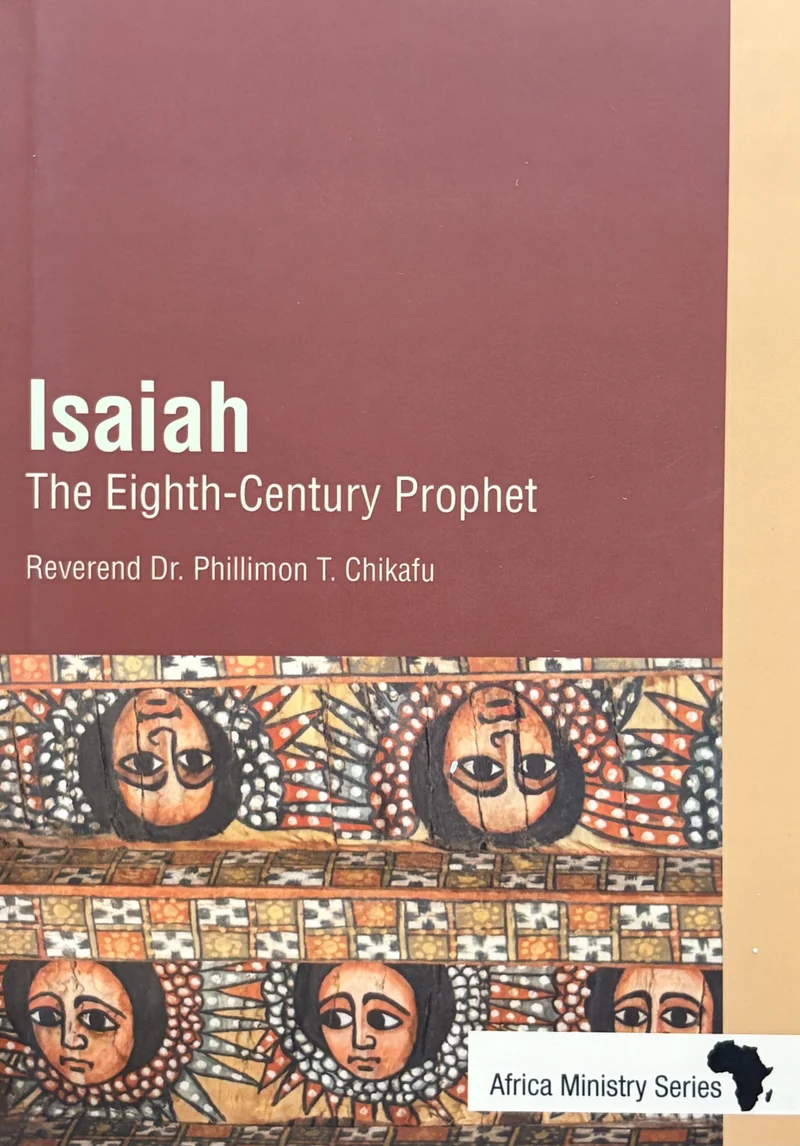
A participant’s book gives everyone the same reading and questions. A leader’s guide may help the facilitator prepare prompts and pace the session. Look at Companions in Christ resources as an example. Before choosing a series, find out how many meetings it covers, whether a session can be shortened and how much people will need to read at home. If you have an experienced facilitator and several first-time readers, try one meeting together before committing to the whole series.
Ask about practical access too. If someone needs large print, prefers to listen or uses a different Bible translation, agree on a way for them to participate. Send the Scripture reference ahead and read it aloud in the meeting. Share discussion questions where people can see them so that nobody has to remember several instructions at once. A group with new readers may find our beginner’s Bible study guide useful when deciding how much preparation to expect.
Use a one-hour agenda that can bend
Allow five minutes for welcome, ten for reading and silence, and twenty for discussing what people noticed. Then leave fifteen for a question about the week and ten to close, pray or agree on the next meeting. The times are a starting point. If people need more time with the passage, use it there and ask only one closing question. Let the group know when you are changing the plan.
Prepare one question that can be answered from the text and one that makes room for lived experience. For example, after reading Luke 10:25–37, ask who stops on the road before asking where people in your own community need practical help. If the second question raises something personal, ask whether the person wants a response or would prefer that the group simply listen.
Let the next study grow out of the first
At the final meeting, ask what people can now do with Scripture that felt hard before. If they want more time to put a habit into practice, use our guide to Christian discipleship books for small groups to choose the next study. Give a different person the chance to facilitate so the group learns how to read together in more than one voice.