A starting point for a Bible study on Isaiah
Start studying Isaiah with three passages about worship, justice and hope, with questions for reading alone or with a group.
Begin with Isaiah 1 and 6
Read Isaiah 1:10–20. Notice the movement from worship practices to the way vulnerable people are treated. In Isaiah 6:1–8, pay attention to the sequence of the vision, the prophet’s response and the invitation to speak. Keeping the two passages together gives you a question for discussion. What does the book ask of people who gather for worship?
Compare a passage about hope
Read Isaiah 9:2–7 and list the images used to describe change. Ask what each image would have meant to a community facing fear or uncertainty. Christians often read this passage during Advent. Give the passage time in its own setting before discussing how it is used in the church calendar. See our Bible study books guide for help choosing a companion resource.
Give your group time to observe before debating
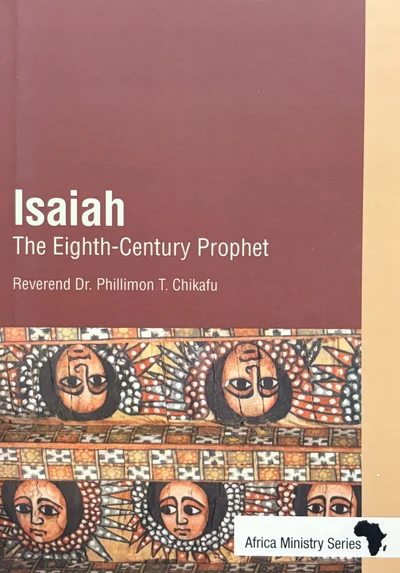
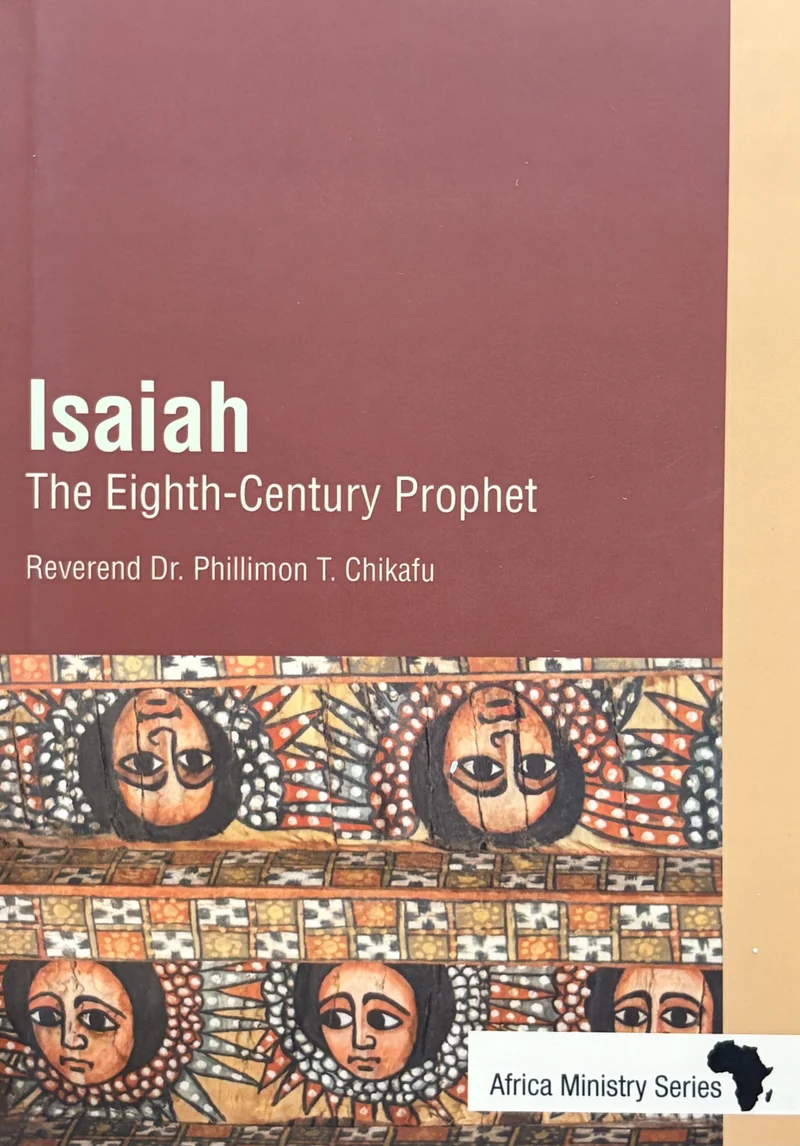
Ask each person to bring a phrase and one question. Write the phrases where everyone can see them and look for words or images that recur. If the group disagrees, point back to the verses and ask what supports each reading. AURM’s book on Isaiah is an option for readers who want to spend more time with the prophet and the setting of the book.
Make a three-meeting plan
Use the first meeting for Isaiah 1:10–20. Ask readers to identify both the actions the passage criticises and the actions it asks people to take. In the second meeting, read Isaiah 6:1–8 aloud twice. On the first reading, listen for what happens in order. On the second, notice what Isaiah says before and after the action at the altar. In the third meeting, read Isaiah 9:2–7 and compare the images of light, harvest and peace. Keep the discussion focused on what the group can point to in the verses.
After each meeting, keep a note of one question you could not answer. It might be about a place, the people being addressed or the setting of a particular image. Isaiah the Eighth Century Prophet is a companion to consider for questions about the prophet and his historical setting. Read the Bible passage before consulting the book, so you can see where the background adds something to your own observations.
You could keep one sheet for the whole study. Divide it into three rows headed “Worship,” “Calling,” and “Hope.” Put a verse reference in each row and make a note when an idea connects two of the passages.
Let the poetry do some of the work
Read the passage in two translations if people have them. Instead of deciding which wording is best, ask what both versions help you notice. You might hear an image that becomes clearer when someone reads it aloud, or a repeated idea that links two lines. Give people time to underline a phrase and explain what they hear in it. Our book-by-book Bible study guide shows how to record repeated ideas without forcing every chapter into one theme.
Read the Advent passage in both settings
If your group knows Isaiah 9 from a Christmas service, ask first what its images would say to people waiting for change in the world of the passage. Then talk about what changes when the church reads the passage during Advent. There is time for both questions. If the group wants to continue that seasonal reading, our Advent devotional plan pairs Isaiah with readings from Luke and offers short exercises you can try between meetings.