Books on evangelism and discipleship for church teams
Plan a church team reading group on evangelism and discipleship, with book suggestions and practical questions for listening and service.
Start by listening to your community
Before setting a programme, ask your team where they already meet people in ordinary life. Consider the school gate, a workplace or a neighbourhood group. Invite them to listen for the questions people are actually asking. A church team can then choose a book that helps with those conversations. Our discipleship books guide has options for groups and mentors.
Read two themes side by side
Pair a reading about sharing faith with one about sustained community. In Luke 10:1–12, notice the instructions about entering a home and receiving hospitality. Ask how those instructions might shape the way a team listens and speaks. Assign a short reading, and invite each person to bring one practical example from their own setting.
Plan one activity you can reflect on together
Choose an action within reach, such as offering to help at a community event or inviting someone to a shared meal. Agree in advance on who will follow up. At the next meeting, discuss what people heard, how they responded and whether they left room for someone to decline. Build the next practice around that conversation. A simple record of these reflections can help new volunteers join without needing to reconstruct the whole series.
Give the two books different jobs
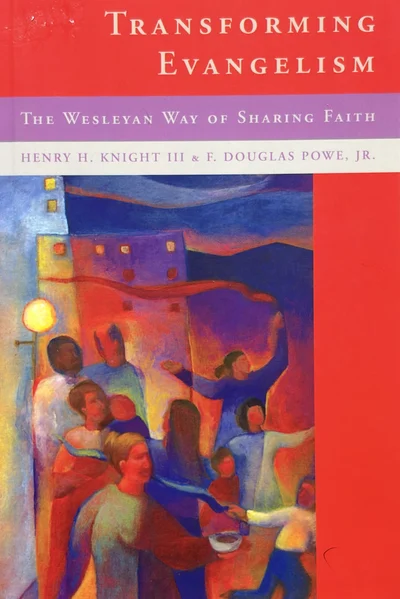
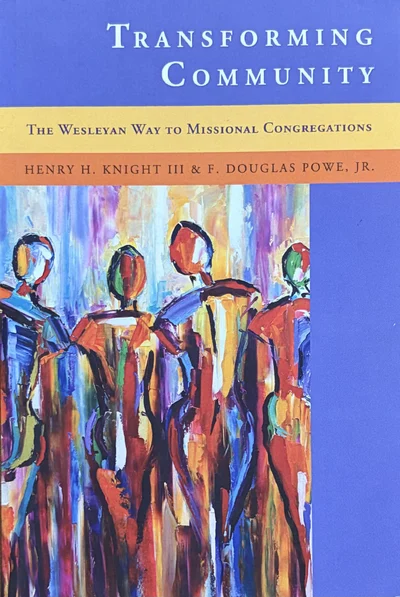
Try reading Transforming Evangelism when you want to talk about how Christians share their faith. Put it beside Transforming Community when you want to look at what happens after a first conversation. In each meeting, ask one person to bring a point from the reading and another to bring a recent example. A discussion about hospitality is easier to use when someone can describe how they were greeted at a real gathering.
Make a short list of practices you can observe. For example, ask whether people can get directions to a meeting, whether a first-time visitor is introduced to someone and whether follow-up happens only with their agreement. A practice you can see gives the team a more useful discussion than a general statement about being welcoming.
Ask someone to write down who will act on each idea. If the group plans to try a clearer welcome at an existing event, name the event and the person who will check how it went before you discuss the next reading.
Try a three-meeting reading circle
Use the first meeting to read Luke 10:1–12 and talk about entering a place where others are the hosts. In the second, discuss one short chapter and compare two ways of responding when someone asks about your faith. Try listening to the whole question before offering a personal answer. In the third, review one small activity you chose as a team. Invite volunteers to say what they would repeat and what they would change.
When your team wants a resource with shared exercises, see our guide to Christian discipleship books for small groups. A study can give volunteers the same question to work on between meetings. It also gives someone who missed a session a clear place to start.
Keep the next invitation simple
A person who has asked to stay in touch may appreciate one specific invitation with a date, a place and a contact person. Give them a way to ask questions without committing to a programme. For people who want to read privately first, books for new Christians includes short options for common questions. At your next team meeting, ask which invitations people understood and which still needed explaining.