How to start a discipleship reading plan with a mentor
Use a four-meeting discipleship plan with a mentor. Pick a workbook, practise one habit and review what changed between meetings.
Agree on the purpose of the first four meetings
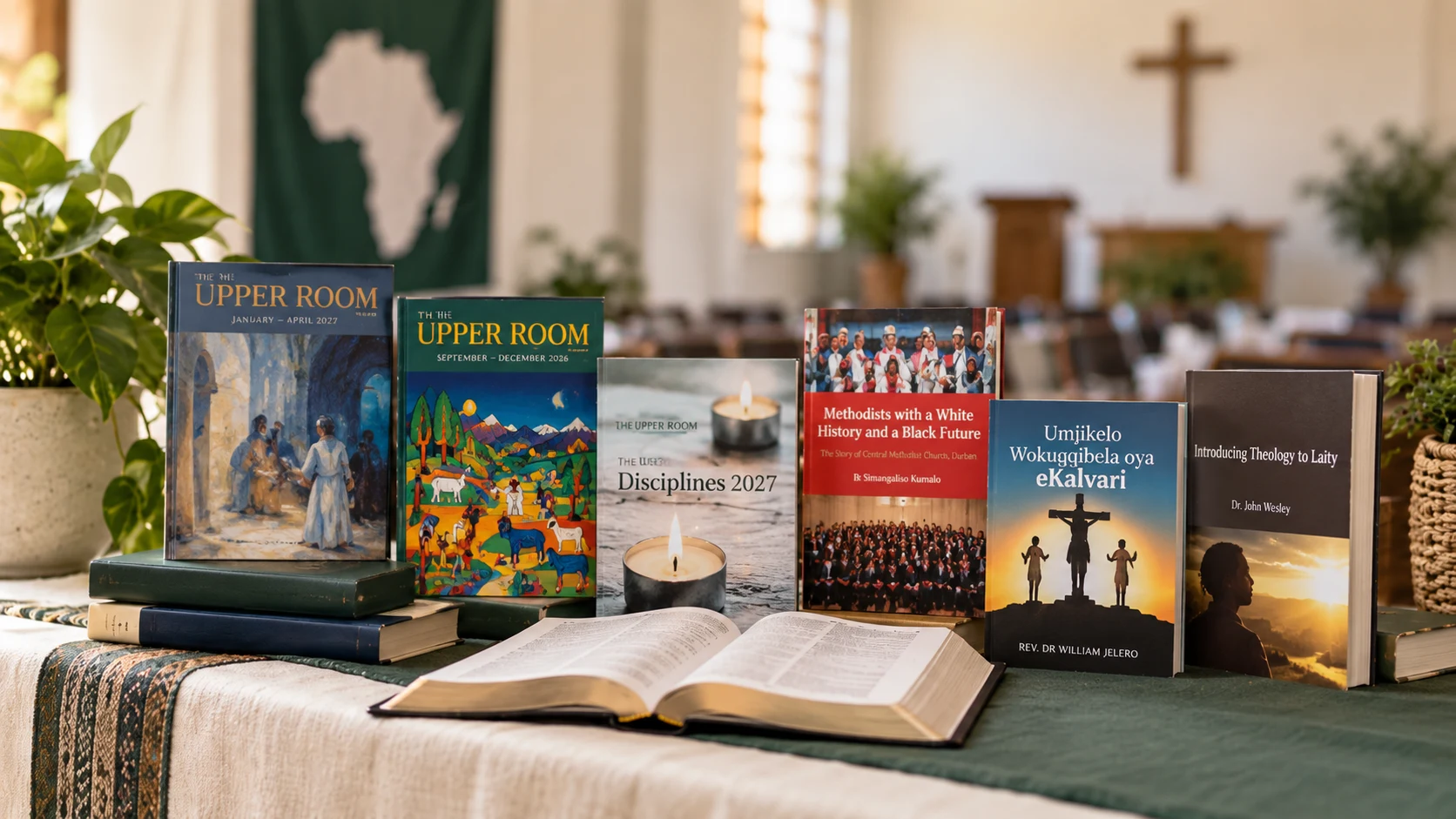
Each person can bring one thing they want to practise over the next month. Choose a theme you can explore together, such as learning to pray consistently or being more available to a neighbour. Look through the discipleship books and pick one resource that offers a short reading and a way to put it into practice.
Use a pattern you can repeat
At the first meeting, read a short passage together and agree on a practice. At the second, compare what happened with what you expected. At the third, adjust the practice or try it in a different setting. At the fourth, read your notes and choose which habit is worth keeping. Leave enough time in each meeting for one question from each reader.
Write down one specific action
An action could be spending three quiet minutes before work or checking in with someone who has been absent from your group. Choose when you will do it and how you will remember. If it did not happen, discuss what was in the way and change the plan. Keep personal notes private unless both readers agree to share them. You can use the same four-meeting pattern for another topic later.
Start with a shared expectation
Before the first meeting, agree on when and where you will talk and how much reading you will do. Ask what kind of feedback is welcome. One reader may want help clarifying a question; another may want someone to remember to ask how a practice went. Agree which details are private and make it easy for either person to say they would rather return to a topic later.
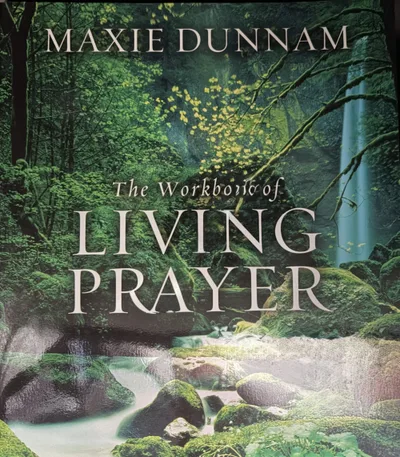
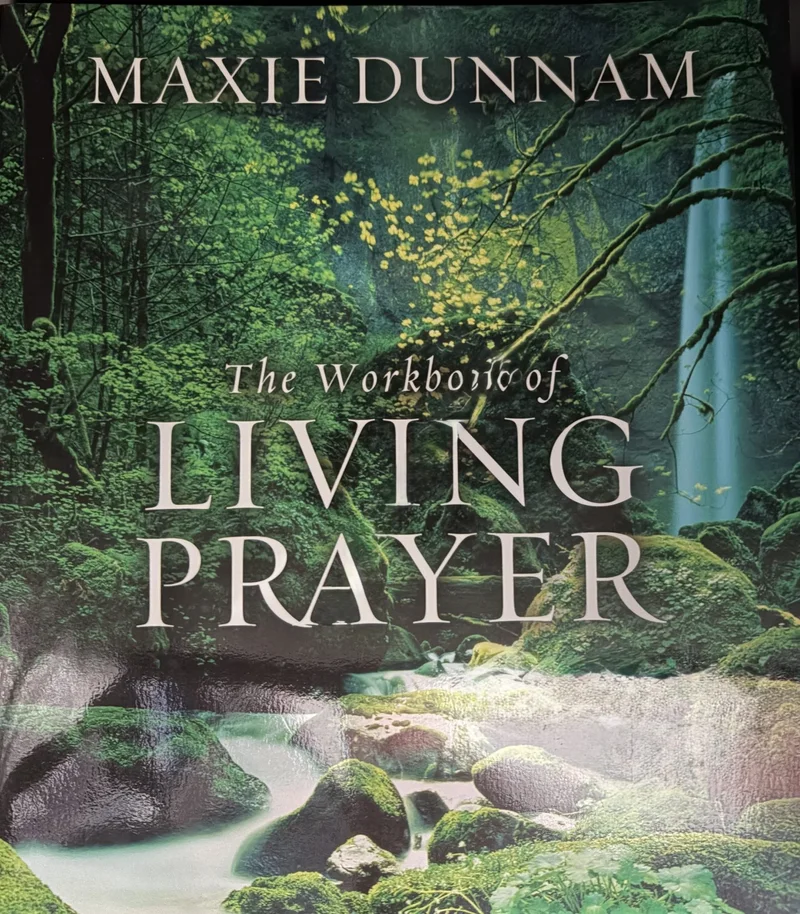
Choose the book by matching it to a specific purpose. The Workbook on the Christian Walk is one option if you want to read about discipleship and practise something between meetings. If prayer is the main concern, look at The Workbook of Living Prayer instead. Try a short portion first so neither reader has to prepare more than they can manage.
If a meeting has to move, send one question the other reader can keep in mind until you meet. A brief reminder can help maintain the rhythm without turning the delay into another assignment or expecting anyone to double the reading.
Try a worked example about paying attention
For the first meeting, read Luke 10:38–42 and notice what each person in the story does. Decide to set aside five quiet minutes on two days. At the second meeting, ask what made those five minutes possible. At the third, try putting them at a different time or reading one short passage before the silence. At the final meeting, compare what you wrote down with what you want to keep doing. The point is to learn which conditions help you follow through.
Give each meeting a beginning and an end. You might open by asking what stayed with each person from the previous reading, then close by agreeing on the next passage and when you will try the practice. Our guide to keeping a prayer journal has prompts if you want a simple record.
Decide together what comes after meeting four
Either finish the plan, repeat it with another question or move the study into a group. If you choose a group, use our small-group discipleship guide to agree on a format people can sustain. Give the other reader room to finish without needing to commit immediately to another study.