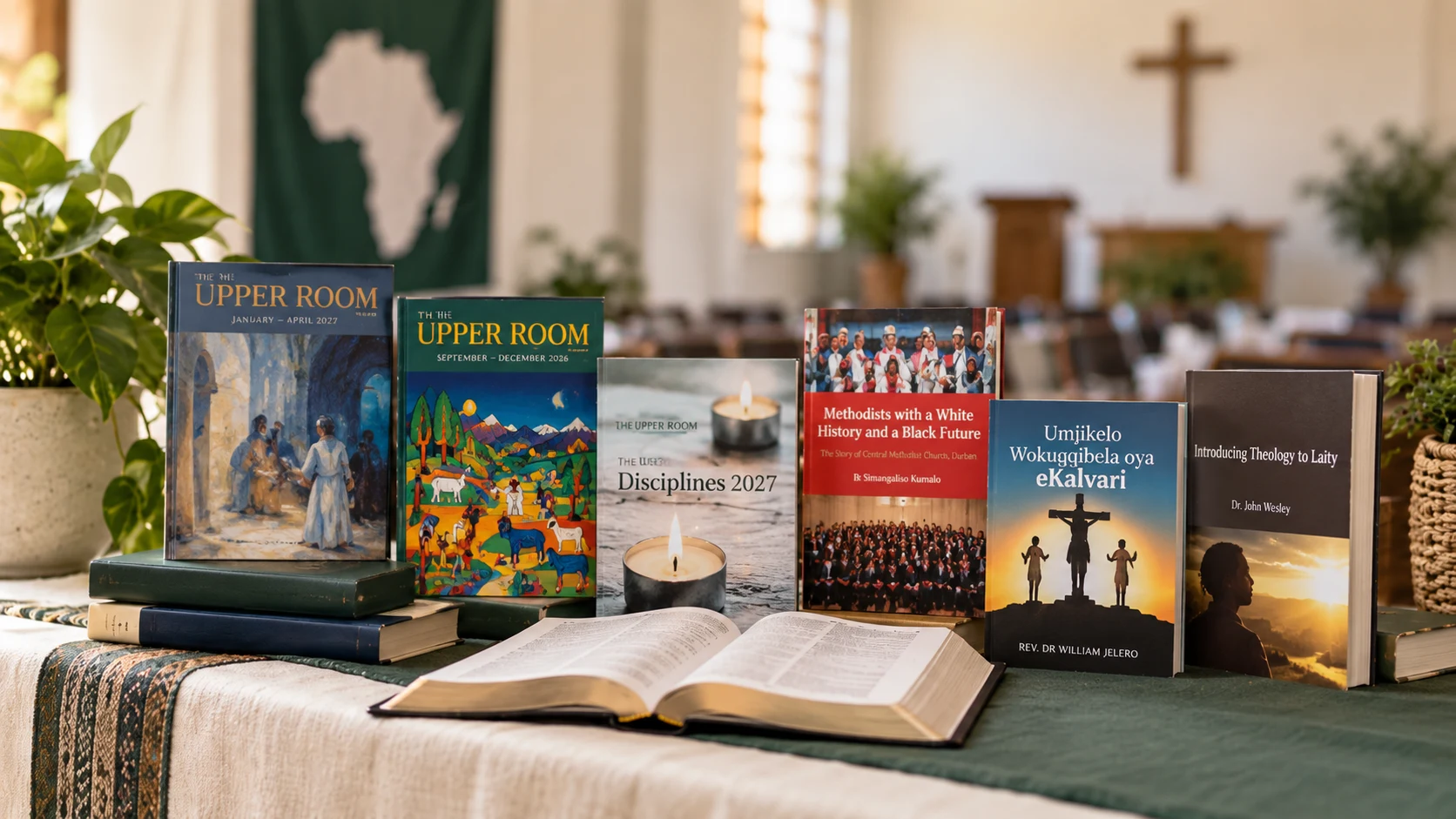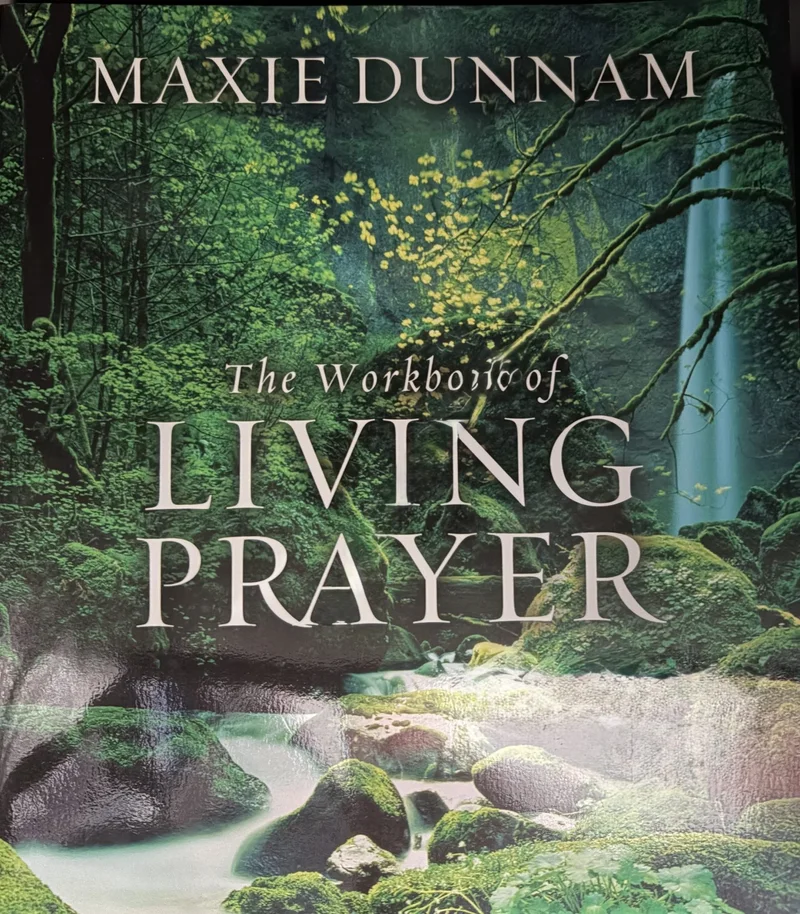
Christian discipleship books for small groups
Choose a Christian discipleship workbook for your group and build a meeting around one practice participants can try between sessions.

Start with what your group needs to practise
Ask members to name one area where they want to grow together. It could be listening, prayer, hospitality or learning to follow through on commitments. Choose one focus for the first month. A workbook that fits a specific need will give you a clearer basis for discussion than a broad list of themes. Browse our discipleship books for formats that suit both groups and individual readers.
Build a repeatable meeting
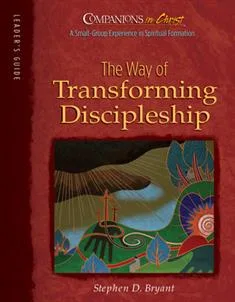
Begin with a check-in about the previous week's practice. Read a short passage aloud, discuss one prompt from the workbook and agree on a new action. For example, in a week on hospitality, invite everyone to make one specific invitation. At the next meeting, give people room to say what went well and what made it difficult. Keep a leader’s guide and participant copies in the same series when the study uses both.
Make the commitment clear
Give the group a start date and a finish date. Let people know what they need to read beforehand, and agree on how the group handles personal stories. After three weeks, ask which part of the meeting people would keep. Adjust the timing or length of the reading before changing the whole course.
Choose a workbook by looking at one session
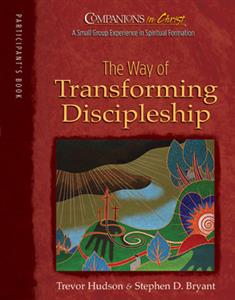
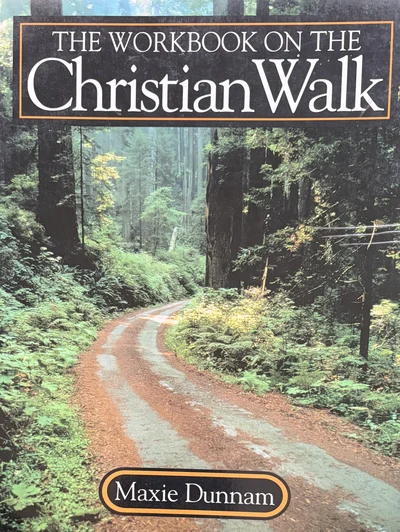
Before buying copies, look at a session or see whether the description says what participants actually do. Find out whether the group is expected to read and write at home or whether most of the work can happen in the room. In a course such as The Way of Transforming Discipleship, check which book participants need and whether the facilitator will use a separate guide. A single workbook, such as The Workbook on the Christian Walk, may be simpler for two readers who want to talk as they go.
If the group has rotating shifts or other uneven schedules, choose a passage and one prompt that people can try on their own. Share that reference ahead of time, and start the next meeting with enough background for anyone who could not attend.
Give people a way to practise together
Suppose your group wants to work on listening. Read James 1:19–21 and give everyone time to notice how the passage speaks about hearing and speaking. Ask people to try leaving a pause before answering in one ordinary conversation. At the next meeting, invite them to share what they noticed. Some will have found it helpful; some will have forgotten or felt awkward. Those differences give you something to discuss without turning the practice into a scorecard.
A facilitator can make the first meeting easier by giving an example of an honest check-in. “I tried once and found it uncomfortable” is a useful report. Let people decide how much of the conversation they share. Use the small group Bible study meeting plan if you need a simple structure, then reserve enough time to discuss what people did between meetings.
Review the study before choosing another book
Near the end, ask what the group wants to keep doing after the last session. If someone has a specific question that needs more space, our discipleship reading plan with a mentor offers a way to continue in pairs. If the group wants to practise sharing faith in the neighbourhood, see books on evangelism and discipleship. Choose one next step based on what people were able to try, and leave enough time for the practice to settle before adding another commitment.