How to choose a daily devotional book you’ll keep reading
Compare short daily devotions, yearly reading plans and themed books, then choose a devotional that fits your time and purpose.

Identify what you want to do with the book
If you want a daily practice, look for a book you can open without making several decisions first. A dated guide gives you a clear place to start. If you are reflecting on a specific question, such as learning to pray or keeping a journal, a themed book gives you more room to stay with it. Compare those choices in the devotional books guide.
Use the time you have, rather than the time you hope to find
Choose a normal weekday and notice when you have a few undisturbed minutes. That might be before opening email or after putting the kettle on. Read one entry at a comfortable pace. Make room for a short response, even if it is only a sentence. Consider a longer annual resource if you regularly have that time and want a steady pattern.
Make a decision after a week of reading
Try one simple test. Read for five days and jot down the idea you remember in the evening. If you are always rushing, choose a shorter book. If the reading leaves you with an interesting question, carry it into a journal or a conversation. For a gift, include a personal note about why the book made you think of the person.
Compare dated, annual and themed reading
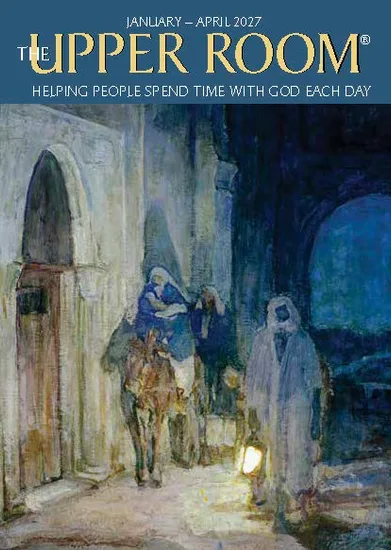
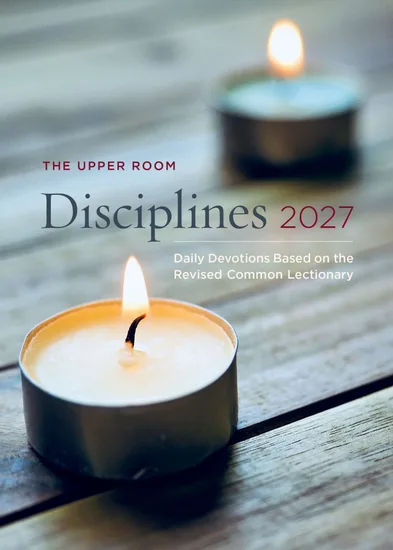
Start with a dated issue if choosing where to begin is the part that usually stops you. You can open at today’s date and return tomorrow without losing the thread. An annual book can work if you want a longer stretch of reading gathered in one place. A themed book makes sense when you can already name what you want help with, such as learning to pray. Our Upper Room Devotional Guide and Disciplines comparison explains what two of those rhythms look like on a normal week.
Before deciding, read one complete entry if you have a sample or a copy you can borrow. Look for a clear Scripture reference, a reflection you can follow and a response that makes sense to you. Notice how the author handles questions. If you want help looking more closely at the passage, you may be happier with a Bible study guide alongside the devotional.
Match the book to where it will be used
Picture three ordinary readers. Someone who reads at the kitchen table before getting children ready may want a short passage and a closing prayer. Someone who keeps notes on the train may want a format that is easy to carry and a prompt they can return to. A group that checks in every Sunday might want a resource with a shared reading date. Think about the setting and what will make the next reading easy to start.
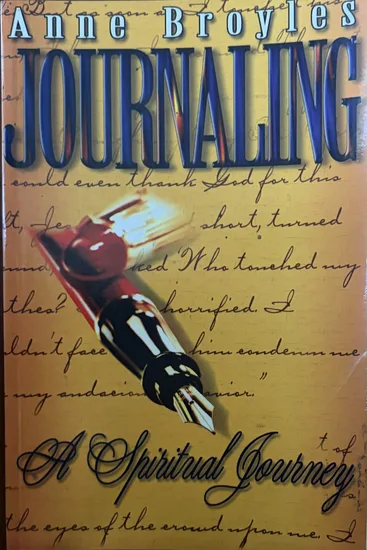
If you are buying a gift, match the choice to the person’s interests rather than assuming they want a full year of readings. Journaling by Anne Broyles is worth considering for a reader who already likes writing. For someone who has never used a dated guide, share the practical routine in how to use The Upper Room daily devotional.
Make your first week a fair test
Write a cue where you will see it, such as “open the book after lunch.” After each reading, note whether you had enough time to respond. If the cue rarely works, change the time before changing the book. If the time works but the readings do not give you much to reflect on, try a different format.