What is a devotional book, and how do you use one?
Learn what Christian devotionals include and how to turn a short daily reading into a steady habit of Scripture, reflection and prayer.

What a devotional usually contains
A devotional book gives you a manageable starting point for reflection and prayer. A reading may include a Bible passage, a story or a question, and an invitation to respond. Some books are dated, while others follow a theme over a number of days. Our devotional books guide explains when those different formats are useful.
Read slowly enough to notice something
Set aside five minutes. Read the passage first and choose one sentence to revisit. When you read the author's reflection, ask what they noticed and what you noticed yourself. Then answer one practical question. If the reading touches on patience, where in your day do you need patience most? You can finish by turning that answer into one line of prayer.
Keep the first week manageable
Put the book somewhere visible and choose a time you can usually protect. Make a small mark next to an entry that matters to you. After three or four readings, look back at your marks. This helps you see which questions recur and what you might want to read next. If the book feels too long for your weekday rhythm, try a shorter reading format before setting a bigger goal.
How it differs from a Bible study guide
A devotional usually invites a short response to a passage: a prayer, a reflection or a question to carry into the day. A Bible study guide often asks you to stay longer with the text, follow its argument or discuss it with a group. You can use the two together. For example, if a devotional draws your attention to Philippians, you could read the rest of the chapter that evening and see how the verse fits. The examples in Bible study books for beginners show what that second reading can look like.
If the author’s experience feels far from your own, stay with the passage for another minute. Write or speak a response to the part of Scripture that caught your attention. The reflection can help you begin even when you would have told a different story.
Walk through a sample entry
Try Psalm 23:1–4. Read the passage aloud once and notice when the words move from talking about the shepherd to speaking directly to the shepherd. If the devotional’s author describes a moment of fear or uncertainty, ask what part of that story helps you notice the passage. Then set the book down and think about your own day. Is there a place where you would like to remember the words about walking through the valley? Turn your answer into a short prayer.
You can respond without writing anything down. A reader who likes a record might use three lines: the reference, the detail they noticed and the question they want to keep. The Christian prayer journal guide includes an example. If you have another person reading with you, try sharing only one of those lines. Keep any detail that feels private in the journal.
Pick a first book and give it time
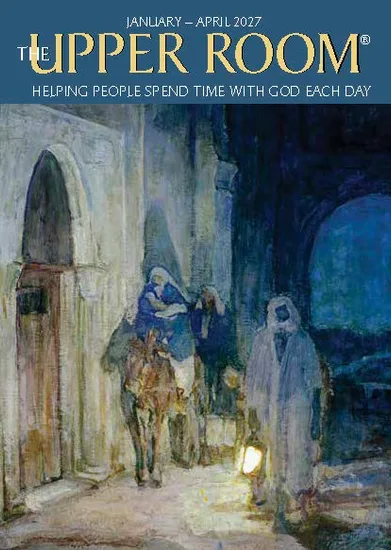
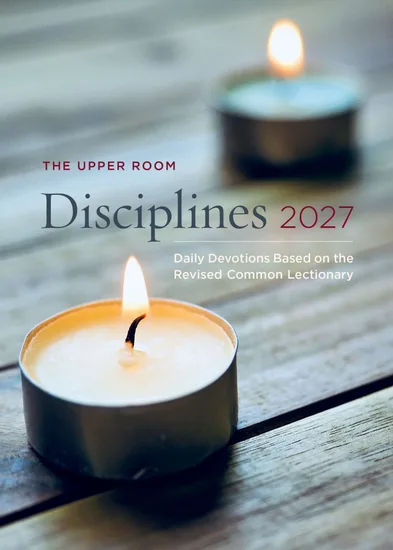
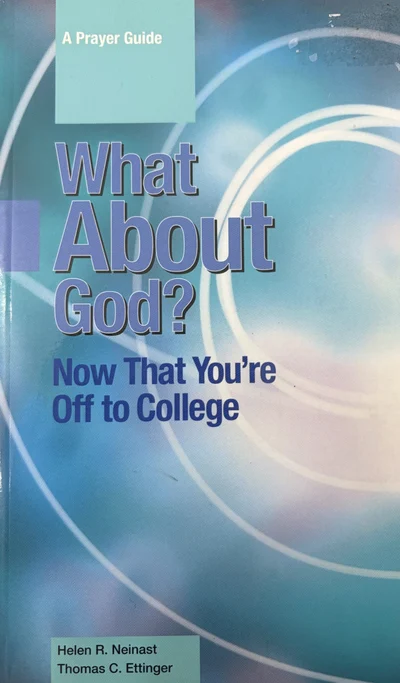
A dated issue from The Upper Room collection works well if you want the date to tell you where to open. What About God? is another starting point for someone exploring everyday questions of faith. Before buying, ask whether you want a short daily appointment or room to follow one question over several sessions. After a week, think about the entry you still remember and why. That is a better clue about what suits you than how many pages you finished.