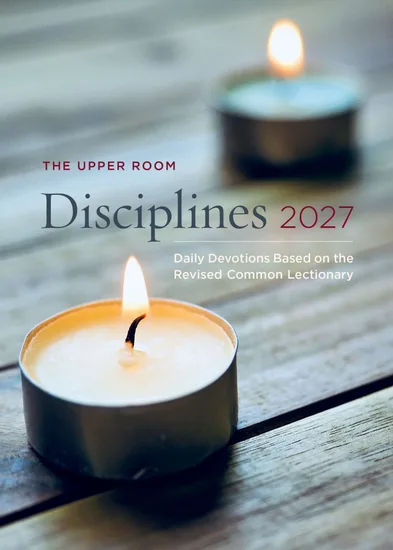
The Upper Room Devotional Guide or Disciplines?
Compare two Upper Room devotional formats and pick a way to read that fits your week, your group and the time you have.
Match the format to your week
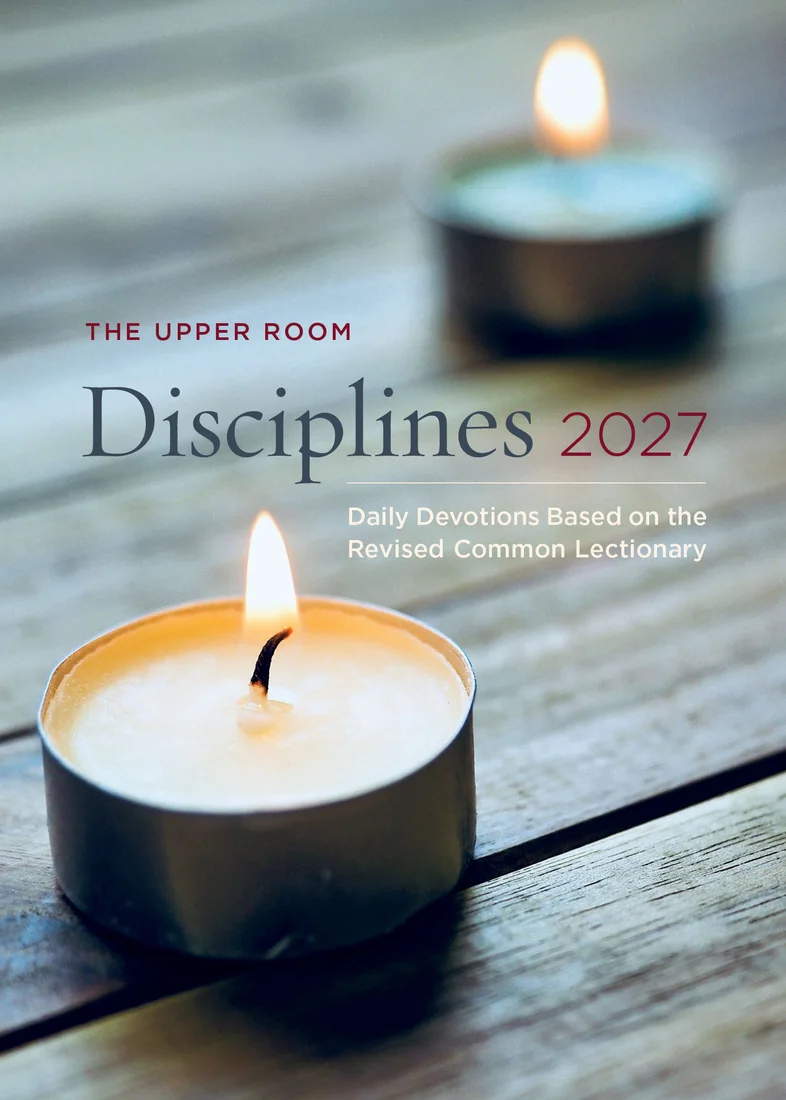
The Upper Room Daily Devotional Guide is a good fit if you want a short reading that connects Scripture to a moment in someone's life. Disciplines is an annual book of daily devotions and gives readers a way to spend longer with the Scripture for a week. Our Upper Room books page compares the two alongside the available editions.
Consider who will read with you
When reading alongside someone else, agree on whether you will meet around a shared date or discuss a passage at the end of a week. A dated issue makes it simple to check in about the same entry. A longer weekly rhythm gives a group time to notice how a theme develops. Choose one day to catch up together rather than expecting everyone to keep the same pace.
Try a one-week comparison
For five days, read at the time you actually have available. Write down how long it took and a question that stayed with you. At the end of the week ask whether you would enjoy another month of this rhythm. If you are buying copies for a group, ask members whether they prefer a single issue to try together or a resource they can follow over a longer period.
What the two rhythms feel like
With a dated issue of The Upper Room, imagine sitting down before breakfast on a Wednesday. You can turn straight to that date, read the Bible passage and hear how another Christian connects it to everyday life. If you share an edition with a friend, you have a common entry to talk about. For an example of how to put it into practice, see how to use The Upper Room daily devotional.
With Disciplines 2027, you might keep one question in view through several readings. Write it down early in the week, then return to it after a later reading. The answer may shift as you notice how different passages speak to the same concern. This format can suit a reader who likes seeing connections grow across the week or wants to prepare for a discussion without taking on a separate study course.
Compare the choices on an ordinary week
Take a week with your usual responsibilities, rather than a holiday when you have extra time. On the first day, note when you sat down, whether you read the Bible passage and whether you ended with a prayer or a response. On the fourth day, notice what got in the way: a misplaced copy, a late start or a reading that needed more time. These observations will help you choose something you can return to.
If you are reading with a group, test two ways of catching up. For a dated issue, invite people to choose one reading from the past week. For a longer weekly rhythm, choose one question to discuss together. Either way, tell people they can come even when they have missed a reading. Our guide to small group Bible study books has ideas for making a meeting easy to join.
Check the issue before you order
Go to The Upper Room collection to compare the issues and formats currently listed. If buying for someone else, ask whether they prefer a print copy and whether they want a single issue to try first. For a reader who still has a different need in mind, our devotional books guide also covers themed reading and seasonal books.