A Pentecost devotional for small groups
Lead a Pentecost reflection on Acts 1 and 2 with a simple session plan, discussion questions and related Upper Room reading.
Read the story in two parts
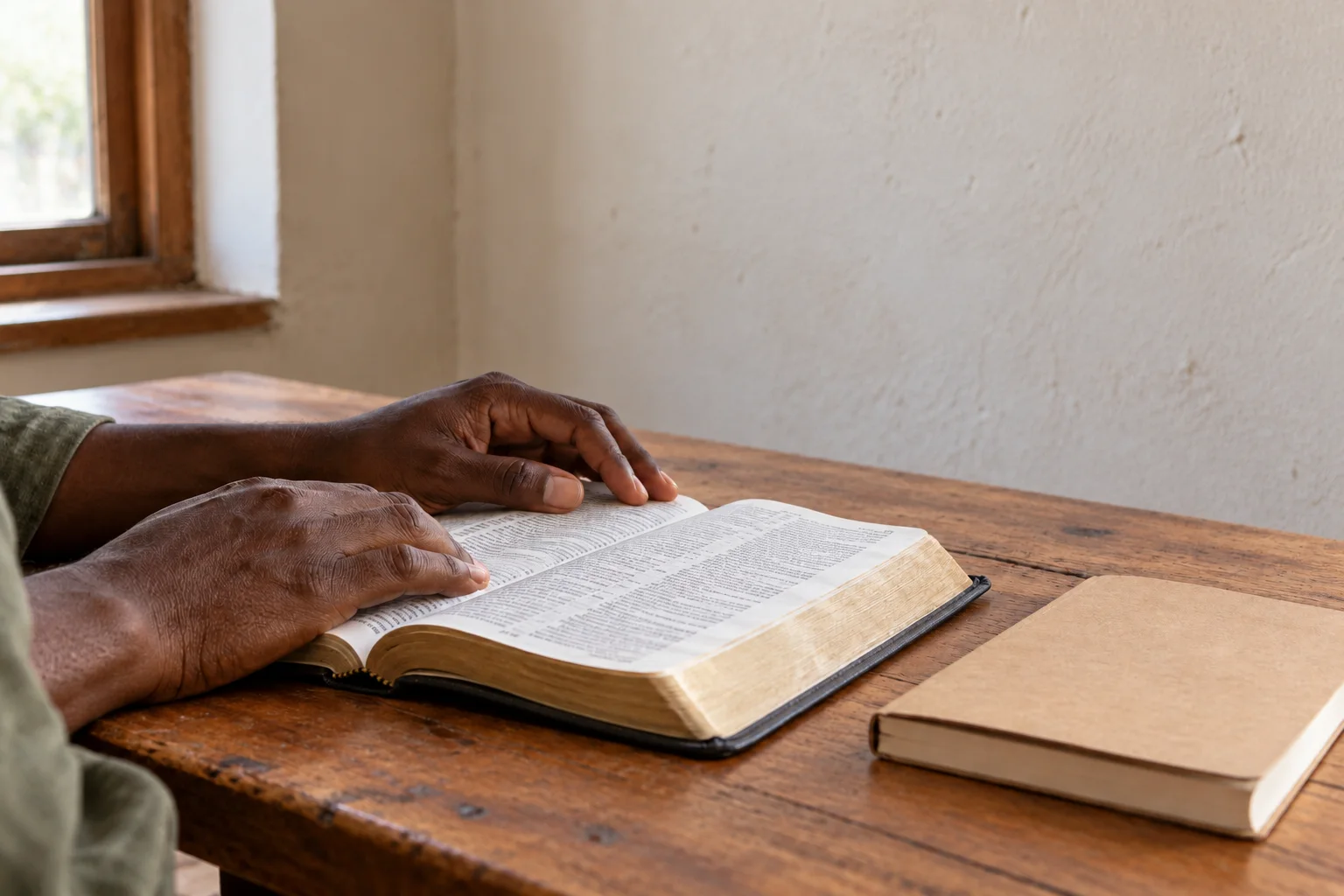
Begin with Acts 1:12–14 and notice how the disciples spend their time while they wait. After a pause, read Acts 2:1–13 and notice what those outside the gathering hear. Give the group a minute to write down an observation before speaking. If you would like a resource for regular reading after Pentecost, browse our Upper Room books.
Ask about attention and listening
The crowd hears people speaking in languages they recognise. Ask group members where people in your congregation already make room for a different language, generation or background. Choose an example you can discuss without assuming everyone has the same experience. Then ask what a visitor might find easy or difficult about joining your next gathering.
End with a practical response
Invite each person to name one way to make the next meeting more welcoming. It could be explaining a word the group often uses, making time for someone new or offering a reading in a language someone prefers. At the next meeting, ask what changed and what still needs attention. Close by praying for the people you hope to welcome and for the patience to listen well.
Plan a forty-minute session
Use the first five minutes to welcome people and say how the meeting will work. Allow ten minutes to hear Acts 1 and Acts 2, then take two minutes of quiet. Spend the next fifteen minutes comparing the accounts and giving people time to share what they noticed. Save the final minutes for an invitation to act and a short prayer. If someone would rather listen than read aloud, let them take part without having to explain.
Put two headings on a page where everyone can see them: “The people who gather” and “The people who hear.” Start by collecting details rather than interpretations. Who appears in each passage? What are they doing? Which reactions does the writer include? Our article on the upper room in the Bible provides more context for connecting the stories without treating them as one event.
When planning the next reading, ask who might like to read it aloud or introduce it. Invite them in advance so they can prepare, and give them a copy of the passage in the translation or language they prefer to use.
Give the group an example to consider
Imagine someone arriving at a service for the first time, where the announcements and instructions assume everyone knows the usual routine. Ask the group to notice one point where a simple explanation or a different way of offering the reading could help. If the group wants to discuss languages, listen to people who have actually had the experience of attending a meeting in an unfamiliar language. Allow time for their answer before deciding what the congregation should do.
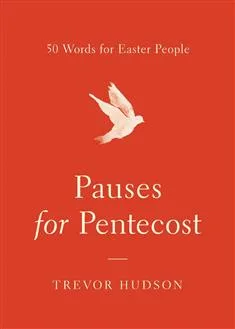
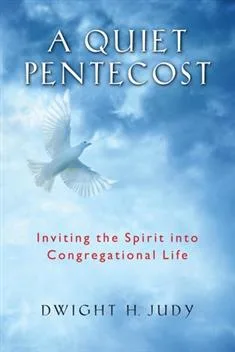
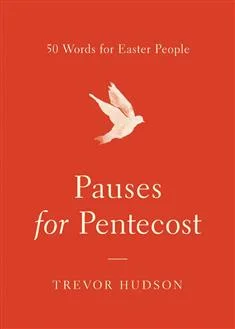
If your group needs a reading to use between sessions, browse Pauses for Pentecost or A Quiet Pentecost. Give people one passage or question to bring back, so that someone without the book can still join the discussion.
Put the response on the calendar
Decide what you can change by the next meeting and who can help. You might add an explanation of the meeting format to the invitation or ask people how they prefer to receive the reading. When you meet again, ask whether anyone noticed a difference. If you want to continue reading together beyond Pentecost, our small group Bible study guide offers ways to organise the next few meetings.